What are the most common mistakes in IT?


Misconfigurations

One of the most common IT errors is incorrect system configuration. These often result from rushed work, lack of documentation, or skipping standard procedures. Even minor missteps can open security gaps, slow down performance, or crash your systems. To reduce these risks, maintain clear system documentation, implement version control, and ensure changes are tested before going live. Automation tools also help eliminate human error in repetitive tasks.
Neglecting cybersecurity basics
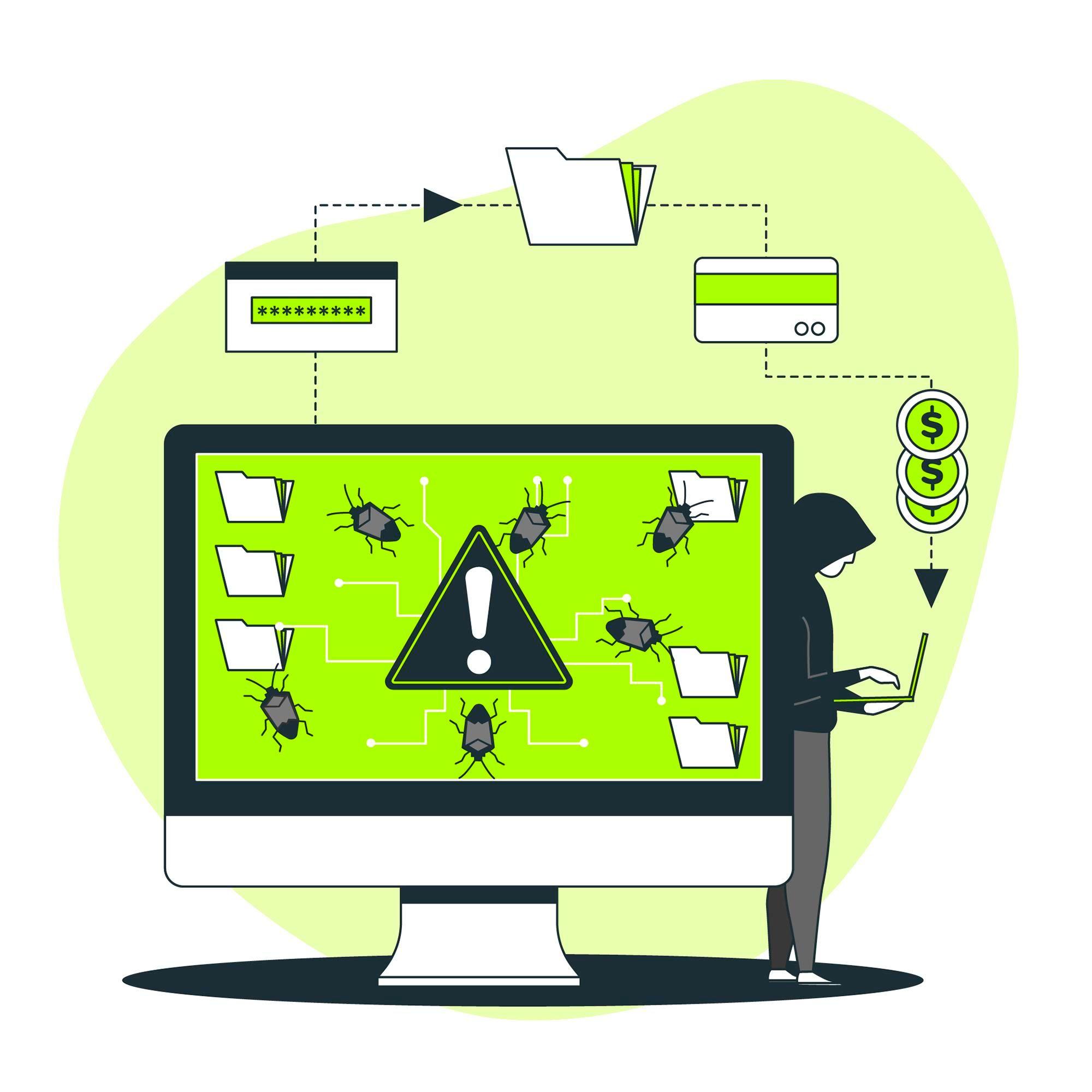
Poor password policies, lack of encryption, and outdated software are some of the biggest threats to IT security. Simple habits like reusing weak passwords can open the door to data breaches. Use strong passwords, enable two-factor authentication, and encrypt both stored and transmitted data. Regular software updates and user training are essential parts of any cybersecurity strategy.
Ignoring software updates

Delaying or ignoring software updates is a critical mistake. Many cyberattacks target known vulnerabilities that developers have already patched but only if the patch is applied. Set clear update policies, automate patch management, and test updates in a staging environment before deployment to production systems.
Poor access control
Giving employees broader access than they need can lead to unauthorized data exposure. Former employees often retain access to sensitive systems if offboarding isn’t handled properly. Apply the principle of least privilege and review permissions regularly. Ensure access is revoked immediately after contract termination or role changes.
Cloud infrastructure mismanagement

Cloud solutions offer flexibility, but unmanaged costs and misconfigured services can lead to overspending or data leaks. Not all responsibility lies with the cloud provider misused APIs or weak access controls are common user-side issues. Use monitoring tools to track usage, enforce cloud security policies, and automate resource scaling and cleanup. Backups and disaster recovery planning are just as important in the cloud as on-premises.
Lack of testing

Without proper testing, unverified changes can cause system failures or performance issues. Similarly, skipping real-time monitoring means problems go unnoticed until users start complaining. Conduct functional, performance, and security tests regularly. Set up alerts to catch errors early and respond before they escalate.
Low awareness among staff

Human error remains one of the top causes of data breaches. Employees unaware of phishing, malware, or safe IT practices can accidentally compromise your systems. Invest in cybersecurity training, provide clear guidelines, and foster a culture of digital responsibility in your organization.
Summary
Avoiding IT mistakes isn’t just about using the right technology. It’s about having a clear, ongoing strategy. Documentation, testing, backups, access control, automation, and staff training form the foundation of a resilient IT environment.

Wiktoria Jarmuszczak
CCOPartners
Outpace the competition!
Contact us and we will help you to achieve your goals!
