Boosting design efficiency with AI
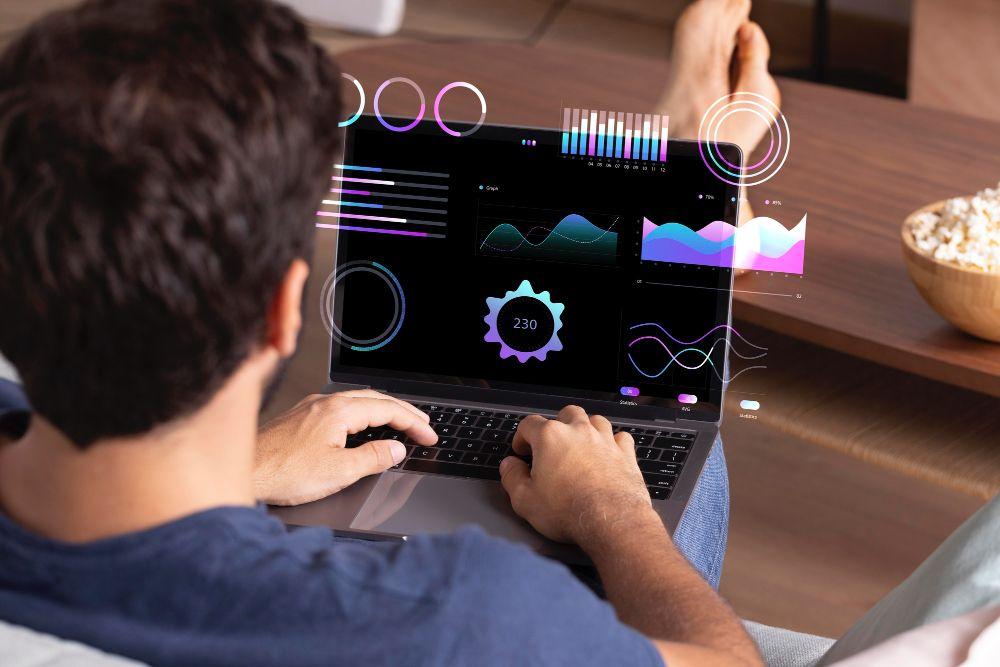

In today’s fast-paced digital landscape, companies face immense pressure to deliver new products quickly and cost-effectively. To meet these demands, AI design tools are becoming increasingly popular. At Netguru, we tested 31 AI design tools, assessing their functionality, compliance, and security
The role of AI in design
Automation and Optimization
AI tools automate repetitive tasks and enhance complex processes using machine learning, deep learning, NLP, and computer vision. This automation frees designers to focus on creativity by generating design variants, resizing layouts, and conducting A/B testing efficiently. AI tools also predict trends and adapt designs for various formats, boosting productivity and creativity.
AI design tools we recommend

1. Perplexity
A conversational AI search engine for research and brainstorming, offering real-time answers and analytical capabilities.
2. Tellet
An AI platform for conducting and analyzing consumer behavior interviews, providing immediate insights and patterns.
3. ChatGPT
Ideal for ideation and summarization, helping brainstorm and generate concise summaries from extensive texts.
4. Midjourney
Generates high-quality visualizations for teasers, speeding up the design process and aiding client presentations.
5. Eleven Labs
Creates realistic voice simulations for client presentations, enhancing localization and engagement.
Challenges
Figma
Figma is introducing new AI features for prototyping, including intelligent text rewriting and asset searching. While still in beta, it shows promise for streamlining design processes.
Technical Challenges
Integrating AI into design involves learning new software, addressing compatibility issues, and managing hardware requirements.
Adoption Barriers
Confidence: New users may find AI tools intimidating due to specialized jargon.
Ethics: Ownership of AI-generated content remains legally ambiguous.
Cost: Budget constraints can limit access to advanced AI tools.
Resistance to Change: Some may struggle with adopting new AI-driven methodologies.
Conclusion
AI tools are transforming design efficiency, but many still overpromise their capabilities. At Netguru, we recommend adopting AI tools cautiously, ensuring they meet your specific needs and regulatory standards. AI will enhance but not replace human designers in the foreseeable future.

Wiktoria Jarmuszczak
CCOPartners
Outpace the competition!
Contact us and we will help you to achieve your goals!
