7 Computer viruses you should be afraid of
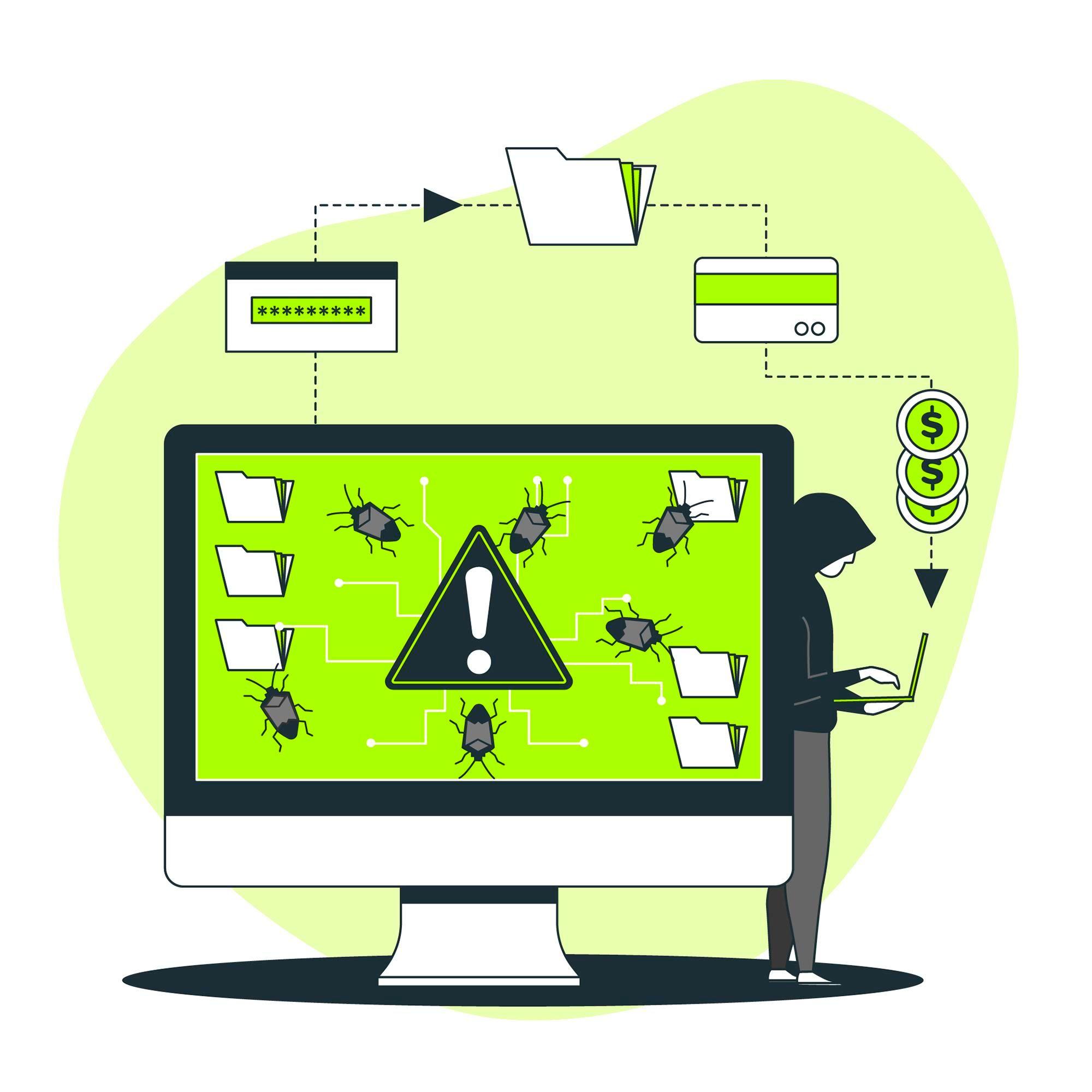

In the age of digital transformation, cybercriminals show no signs of slowing down. Attacks are becoming increasingly sophisticated, targeting everyone—from individual users to global corporations. In 2025, several particularly dangerous types of malware pose serious threats to our data and privacy.
1. RaaS
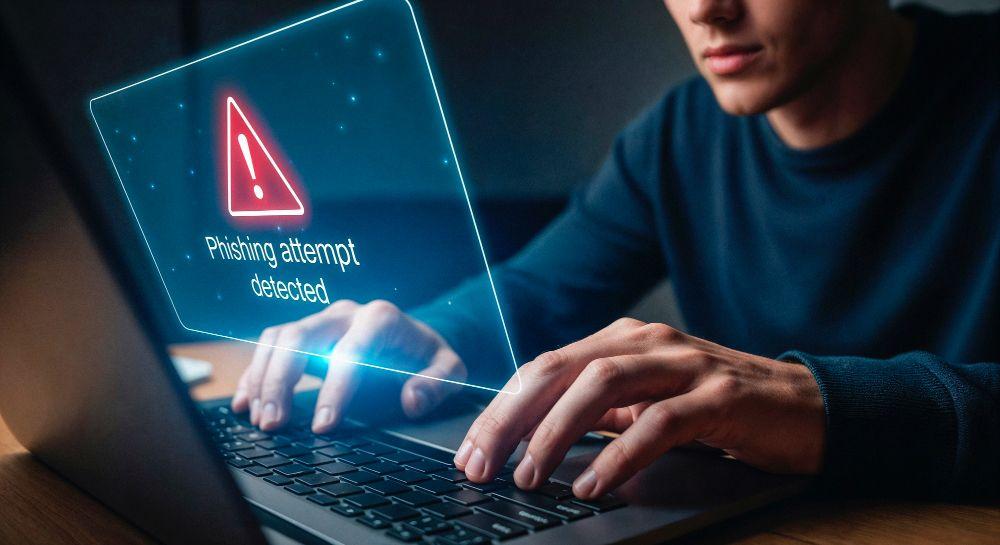
In the past, malicious software was created only by experienced hackers. Today, anyone can "rent" a cyberattack thanks to the RaaS (Ransomware as a Service) model. This means that even individuals with no technical expertise can carry out serious attacks if they’re willing to pay the right people. RaaS is growing in popularity because it makes dangerous tools more accessible, leading to an increase in random and unpredictable attacks.
2. LockBit 3.0
3. 8Base
4. SocGholish
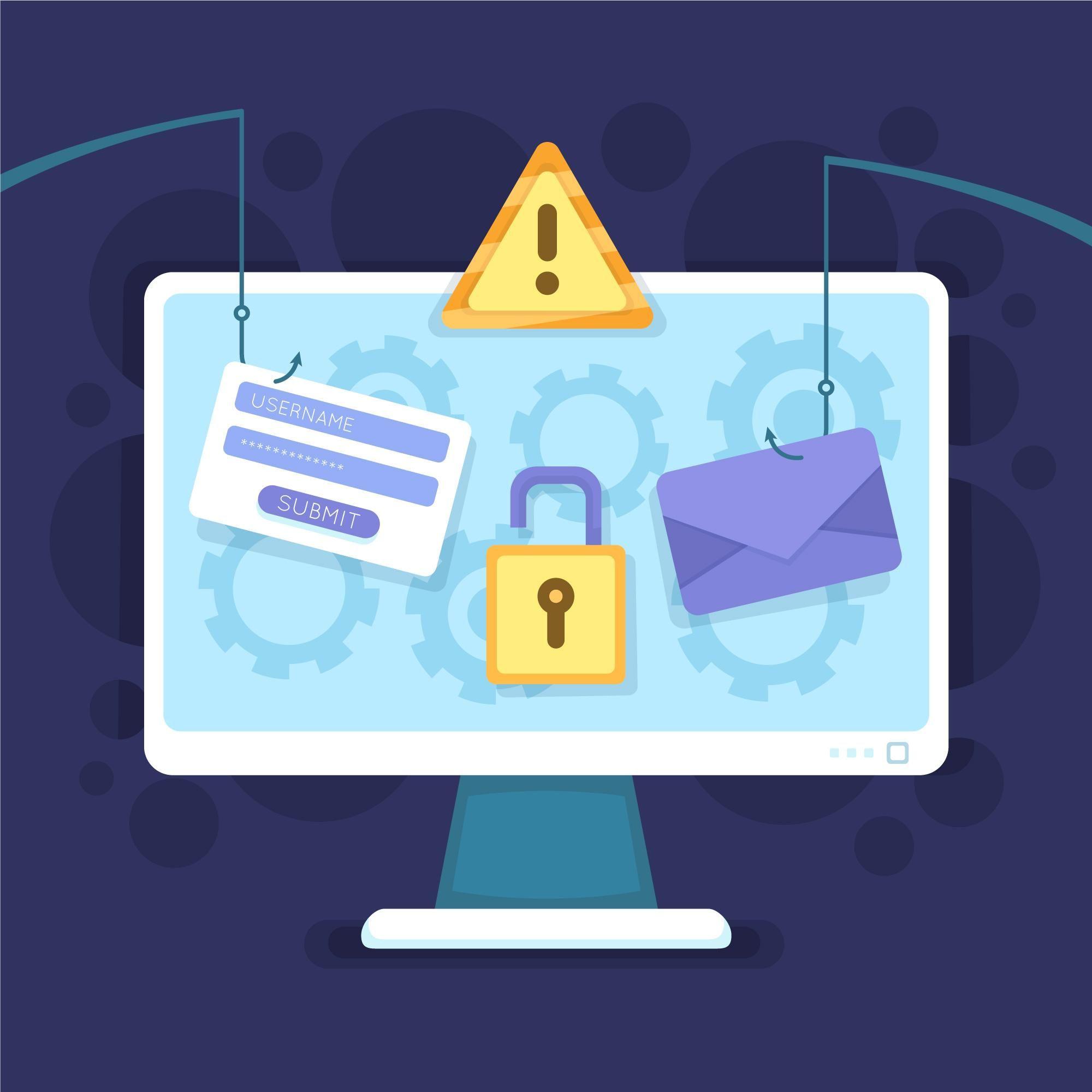
SocGholish operates under the guise of fake browser updates. You click a notification prompting you to install an update, but in the background, malware is being downloaded. Instead of improving your security, you end up installing a threat that opens the door to additional infections, such as trojans or spyware.
5. Clop
Clop is one of the most dangerous ransomware threats, operated by a Russian hacking group. The malware gained notoriety in 2023 after targeting U.S. government agencies, universities, and major corporations like the BBC and British Airways. The attackers exploited a vulnerability in the MOVEit file transfer system to steal sensitive data and disrupt the operations of numerous institutions.
6. Akira
Akira is a new player on the ransomware scene, but it has already gained a notorious reputation. The group demands massive ransoms, often reaching hundreds of millions of dollars. Their targets have included banks and educational institutions, from which they’ve stolen hundreds of gigabytes of data and published them on the dark web.
7. Windows update ransomware
How to protect yourself?
Cybercriminals are using increasingly clever tactics—but you can outsmart them. Here are a few simple rules:
- Enable two-factor authentication (2FA) wherever possible.
- Use a password manager and avoid reusing the same credentials.
- Keep your system and software up to date.
- Install antivirus software and use a VPN when on public Wi-Fi.
- Be cautious with suspicious emails and links – if something seems too good to be true, it probably is.
Summary
The year 2025 brings new challenges in the world of cybersecurity—but also new tools to help protect us. The key lies in awareness and proper preparation. Because while the landscape of computer viruses is constantly evolving, one thing remains true: prevention is always better than cure.

Szymon Jarmuszczak
CEOPartners
Outpace the competition!
Contact us and we will help you to achieve your goals!
