Design: traditional vs. AI-driven approaches
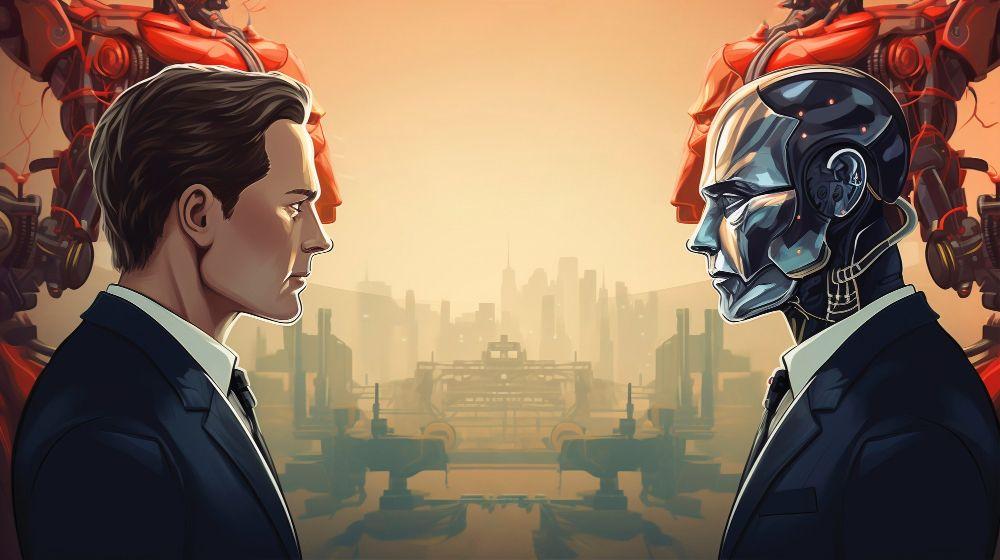

The role of artificial intelligence, particularly its generative subset known as GenAI, is significantly evolving within modern design teams. It goes beyond supporting research or creating images; it transforms traditional design thinking and processes. AI's potential is fully realized when it collaborates with human efforts and diverse datasets, offering new pathways for creativity and efficiency.
Understanding Traditional Design Thinking

Design thinking is a strategic innovation method characterized by a flexible, iterative process that helps teams understand user needs, challenge assumptions, identify problems, and create solutions for prototyping and testing. It is particularly effective in solving complex or poorly defined problems and typically involves.
5 phases:
1. Empathy: Researching user needs to gain deep insights without making assumptions.
2. Define: Gathering and analyzing all research to create clear problem statements and user personas.
3. Ideate: Conducting brainstorming sessions to generate multiple potential solutions.
4. Prototype: Building low-cost, experimental versions of products to explore potential solutions.
5. Test: Engaging real users to evaluate prototypes, refine solutions, or reconsider problems if needed.
The Evolution of Design Thinking in the Age of AI
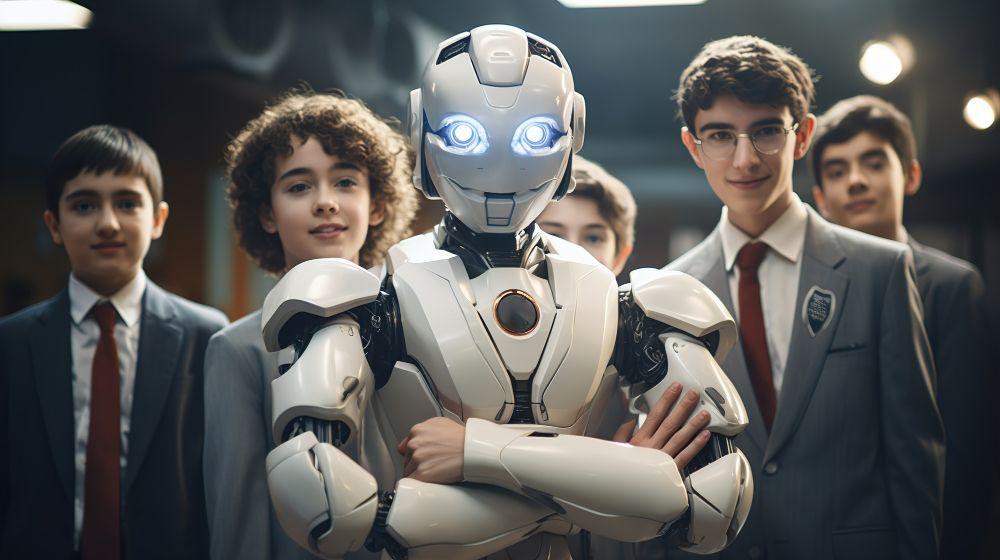
The stages of design thinking are not linear but iterative, providing a comprehensive understanding of user needs and the development of solutions. This dynamic approach fosters creativity and innovation within product teams. Traditionally, design thinking followed the "Double Diamond" model, emphasizing each stage of the process equally:
1. Discover: Gathering insights, defining the problem, and understanding users.
2. Define: Using the gathered insights to articulate the core problem, identify user personas, and create briefs.
3. Develop: Building a proof of concept based on user personas and testing the viability of ideas.
4. Deliver: Developing the solution and collecting market feedback.
However, with the advent of AI technology, discussions have arisen about modifying this process. AI can support various stages but requires human oversight for iterative testing and tuning to ensure relevance and accuracy. AI can accelerate the development stage using tools like Figma, enabling quick creation and modification of design elements. An example of AI's efficiency is the creation of a text-to-speech application using Bubble.io in just 25 minutes.
The Design Thinking Process with AI Integration
1. Data Gathering and Analysis: AI automates data analysis, predicting user needs and integrating insights from other projects. It enables efficient competitor analysis.
2. Ideation and Prototyping: AI generates ideas and prototypes, accelerating project development. Tools like Sketch2Code and Bubble.io convert sketches into digital designs and interactive prototypes.
3. Continuous Testing and Improvement: AI supports A/B testing and optimization, adapting products to different user needs and facilitating continuous feedback collection.
Summary

AI enhances traditional design processes by automating analysis, accelerating idea generation and prototyping, and supporting testing. The integration of AI and traditional methods brings a new quality to design, combining the efficiency of technology with human creativity and empathy.

Wiktoria Jarmuszczak
CCOPartners
Outpace the competition!
Contact us and we will help you to achieve your goals!
