Technical debt under fire: how to manage it effectively?
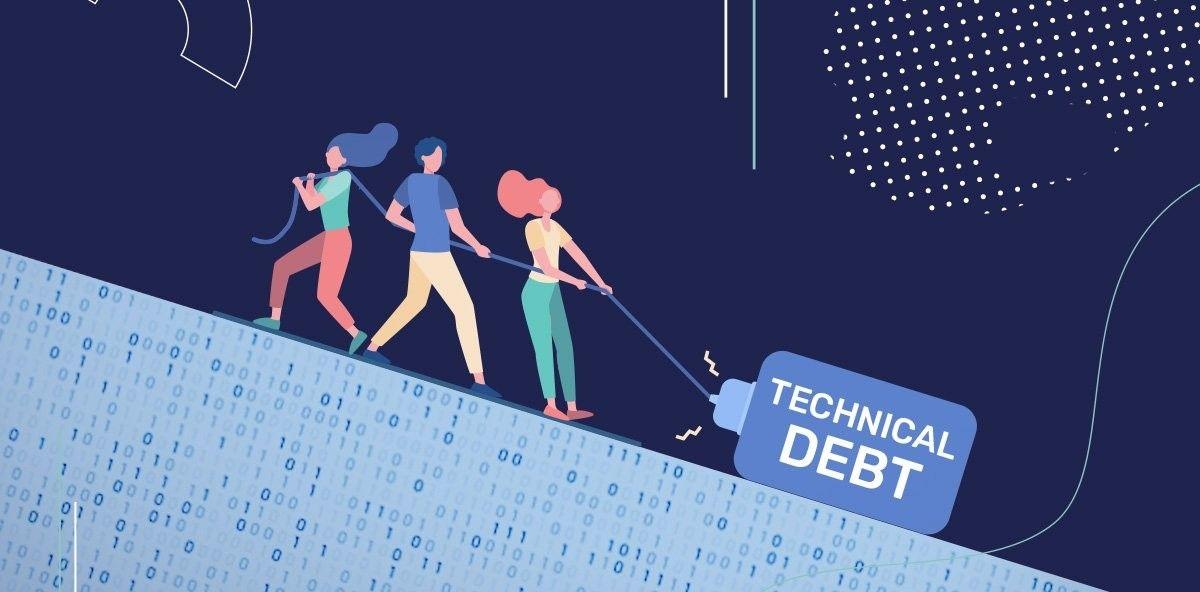

Technical debt is a challenge faced by many companies and development teams. While it is sometimes taken on deliberately to speed up product deployment, it more often arises unintentionally due to rushed decisions, lack of planning, or insufficient expertise. Over time, it can lead to serious business consequences. How can you prevent it, and what steps should you take to effectively repay technical debt once it has accumulated? That’s what we’ll explore in today’s blog.
What is technical debt?
In the context of programming, technical debt refers to a situation where short-term technical decisions create long-term issues. It often results from rapidly written code without proper attention to quality, refactoring, or thoughtful architecture. At first glance, this may seem like a time and resource-saving approach, but in reality, it leads to increased maintenance costs and slows down product development.
The most common causes of technical debt:

- Time pressure – A fast-paced work environment and unrealistic deadlines force the adoption of less optimal solutions.
- Lack of long-term planning – Failing to consider the future development of an application leads to inflexible solutions.
- Focus solely on new features – Neglecting code optimization can make further development more challenging.
- Choosing the cheapest and simplest solutions – Initial cost savings may result in significant expenses in the future.
- Lack of team expertise – Inexperienced developers may not follow best coding practices.
- Lack of proper code maintenance – Postponing necessary fixes can lead to costly and time-consuming repairs.
What are the consequences of technical debt?

- Slower project development – Implementing new features becomes increasingly difficult and time-consuming.
- Increased number of bugs – Poorly maintained code leads to more frequent issues.
- Operational problems – Outdated systems can cause failures, miscalculations, or security breaches.
- Reduced innovation capacity – Constant bug fixing drains resources that could be used for development.
- Talent retention issues – Developers prefer working with modern technologies rather than maintaining outdated systems.
How to avoid technical debt?
- Ensure code quality – Follow best coding practices, conduct unit tests, and perform code reviews.
- Plan for the long term – Design a flexible architecture that facilitates future changes.
- Include regular fixes – Continuous code improvements should be a standard part of the project.
- Test the application – Early bug detection helps prevent costly issues down the line.
- Educate the business side – Reducing technical debt may not yield immediate results, but it positively impacts long-term business growth.
How to repay technical debt?

- Conduct a code audit – Identify the main problem areas.
- Break the code into smaller sections – Refactoring the entire application at once can be challenging, so focus on key areas first.
- Prioritize tasks – Address the most critical issues first.
- Monitor progress – Implement tracking mechanisms to measure debt reduction.
Summary
Technical debt is inevitable, but effective management helps minimize its impact. A strategic approach to its reduction supports code quality, process optimization, and protection against costly business consequences.

Wiktoria Jarmuszczak
CCOPartners
Outpace the competition!
Contact us and we will help you to achieve your goals!
